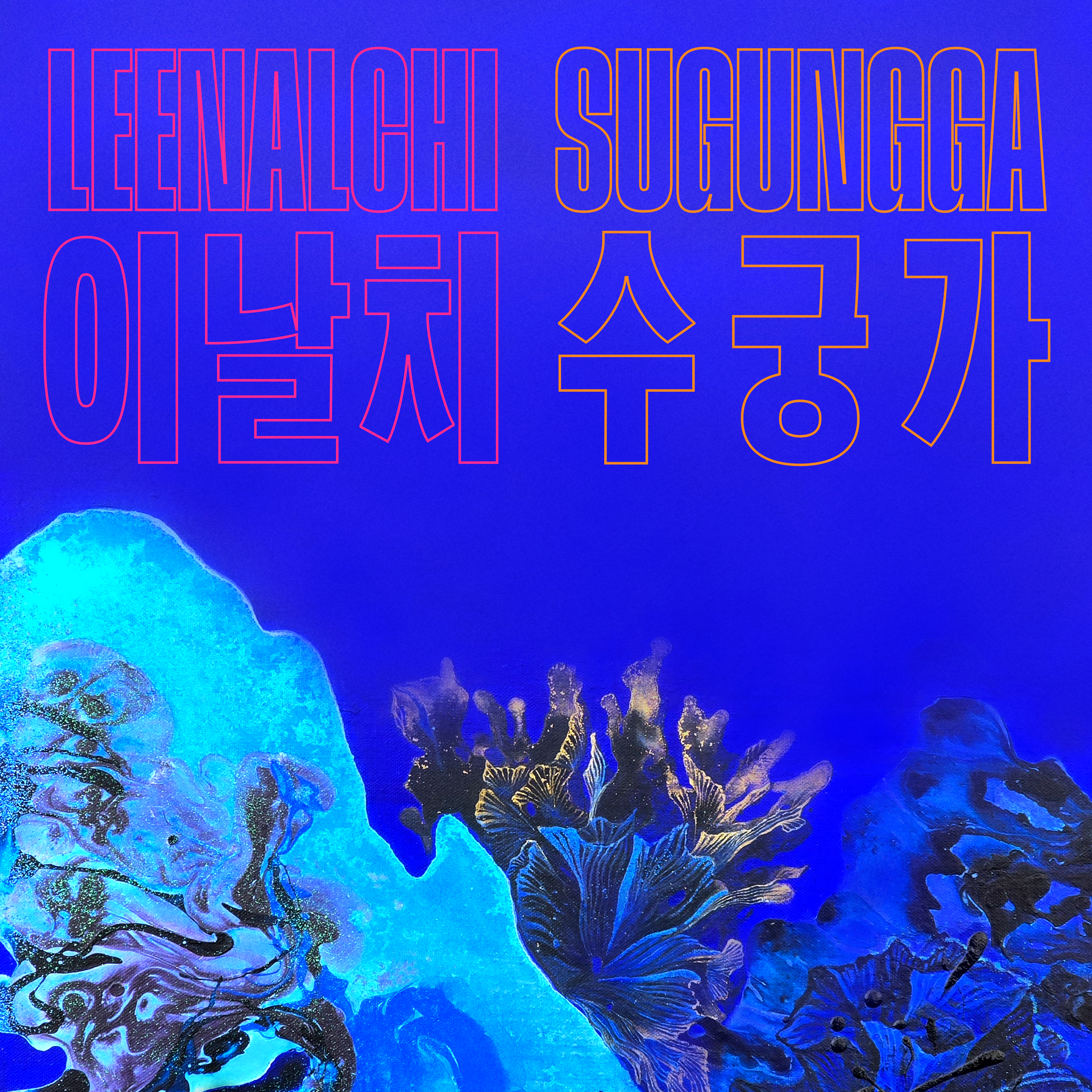

Photo by Angeline Woo


My dad didn't believe it when the Americans landed on the moon in 1969. To this day, I can't say he's fully convinced. My dad also wouldn't have believed that in 2026, a New York record label would be releasing an album reviving an 18th century Korean epic by a Korean funk band. To a young boy staring into the night sky from a small Korean farm village, both would have been strange impossibilities, positively out of this world.
Whether you call it the hallyu wave or the K-wave, these days, Korean culture has rippled out to just about every corner of the earth. This didn't happen overnight; a decade before landing on the moon, Americans landed in Korea.
During the Korean War, all sorts of electrifying influences poured out from American army bases: Hollywood films like Ben-Hur, cans of SPAM, rock and roll. Korean groups came together to entertain these American GIs, performing covers of Elvis Presley and Tin Pan Alley hits. Some of these acts were such a smash, they came stateside, prompting the foundations for what would eventually become the billion-dollar behemoth of the K-pop industry.
Today, most of the world knows Korean music in this hyper-globalized form. But what did Korean music sound like before the hallyu wave, before the moon landing, before the Korean War?
Plumbing the depths of Korea's past, Leenalchi is breathing new life into pansori, one of the nation's oldest forms of music. Rooted in shamanism and developed during the Joseon Dynasty, pansori was (and is) a way to tell stories—epics as grand and fantastic as The Odyssey, Gilgamesh, or Beowulf.
Sugungga is one of five surviving Korean traditional pansori tales. It is also the weirdest and most fun. In it, an enterprising turtle sets out on a quest to cure the dragon king by bringing him a sacrificial rabbit, whose liver is the greatest medicine.
Led by enigmatic band leader Mr. Jang on one of two bass guitars, Leenalchi gives this surreal legend an equally psychedelic musical makeover. Mr. Jang and Ejae lay down bass riffs so fat and funky, George Clinton would shed a tear of joy. Drummer Oh Hyungsuk moves us along with a steady infectious rhythm. A synthesizer wails. Over all of that, master pansori vocalists Ahn Yi Ho, Choi Su In, Park Soo Bum and Ra Seo Jin sing in the genre's distinctive guttural warble:
I harmonize the yin and yang of heaven and earth
Five vibrant colors of light, the morning fog and evening dews.
I take it through my mouth and it exits through my bottom,
which is why it's the ultimate cure for all sickness and renewed youth.
That's why it's the best medicine of all.
If you want me to say, I will speak.
If you want me to say, I will speak.
Trippy stuff! Told in an ancient form of the language, even most Korean speakers have a hard time understanding what's happening in these songs. But none of that really matters: like all great music, when pansori is performed correctly, meaning transcends the confines of language, time, space.
Though he'd dabbled with traditional Korean music since the '90s, Mr. Jang's work with pansori began in earnest in 2007, after composing for choreographer Ahn Eun-me's piece, Bari. It was with musicians from that project that Mr. Jang went on to form groups such as BIBING, SsingSsing, and eventually Leenalchi.
"I feel really lucky to have had traditional musicians around me, who influenced me and allowed me to interweave my own music into theirs," he continued.
Staring into the night sky from New York, I think about how some of my oldest ancestors might recognize the songs on this record. Somewhere in the spiritual ether, all our voices collide to sing together:
If you don't find a liver inside me, my resentful ghost will haunt your realm forever, so the king won't live a single day let alone a hundred years, and all attendants in this underwater palace will perish on the same day, at the same time.
🎸 LIKE LEENALCHI? HERE ARE SOME THINGS TO KNOW
- Leenalchi is pronounced EEE - NAL - CHI in Korean.
- The bassist and bandleader Jang Young-Gyu (that's Mr. Jang to you) represents Korea's small but dedicated indie music scene. (Read: He's a big deal)
- He is also a prestigious film composer, scoring soundtracks for some of Korea's most celebrated (horror) movies like Train to Busan, The Wailing, and The Good, the Bad, the Weird.
- Leenalchi has two bassists, Mr. Jang and Ejae, another celebrated artist in the Korean indie scene, and one drummer, Oh Hyung Suk.
- The four conservatory-trained pansori vocalists in Leenalchi are: Park Soo Bum, Choi Su In (who also plays keys), Ra Seo Jin, and Ahn Yi Ho, who is an important figure in the Korean pansori world. He has studied with great masters from the time he was a child. When he speaks, poetry flows forth.
THE BAND

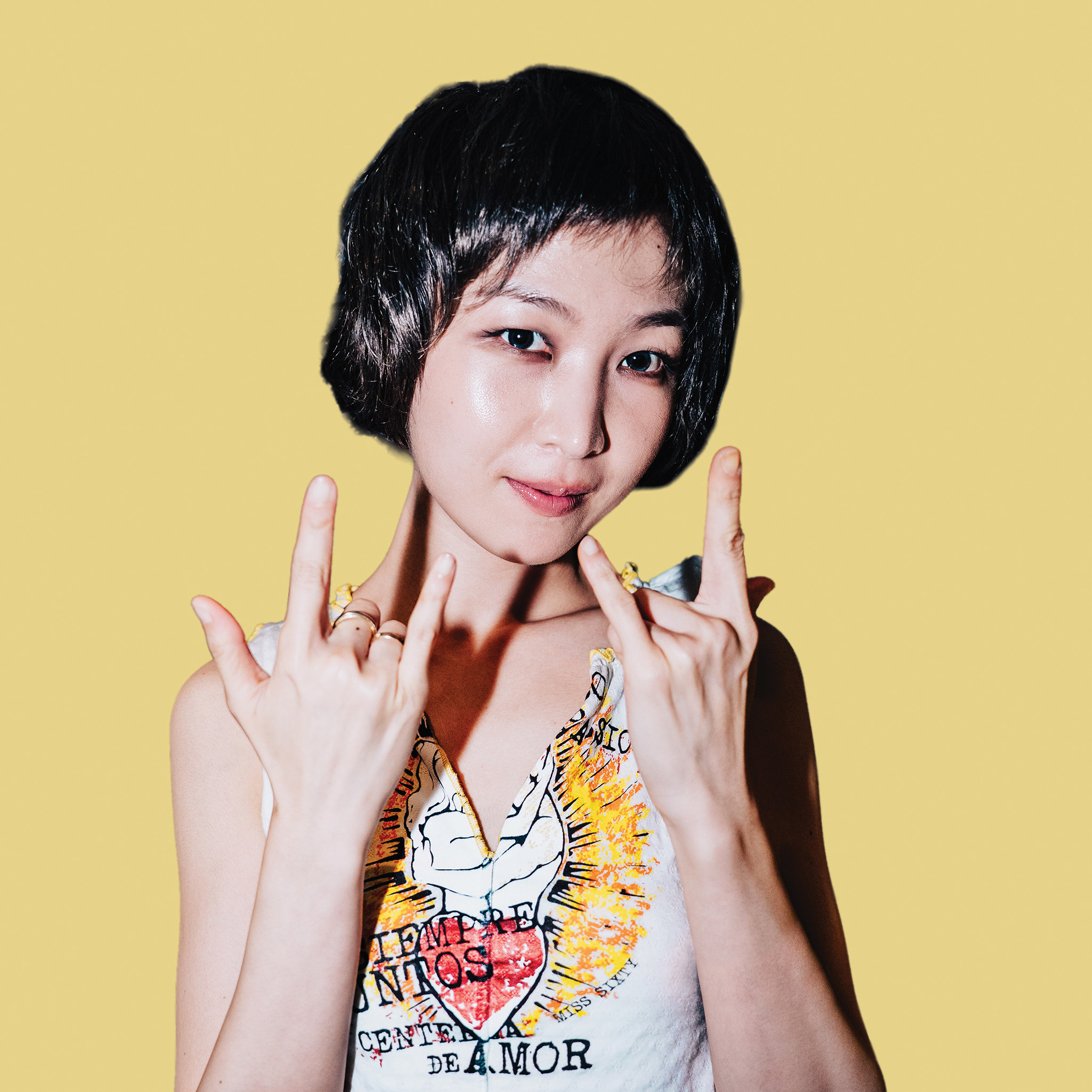
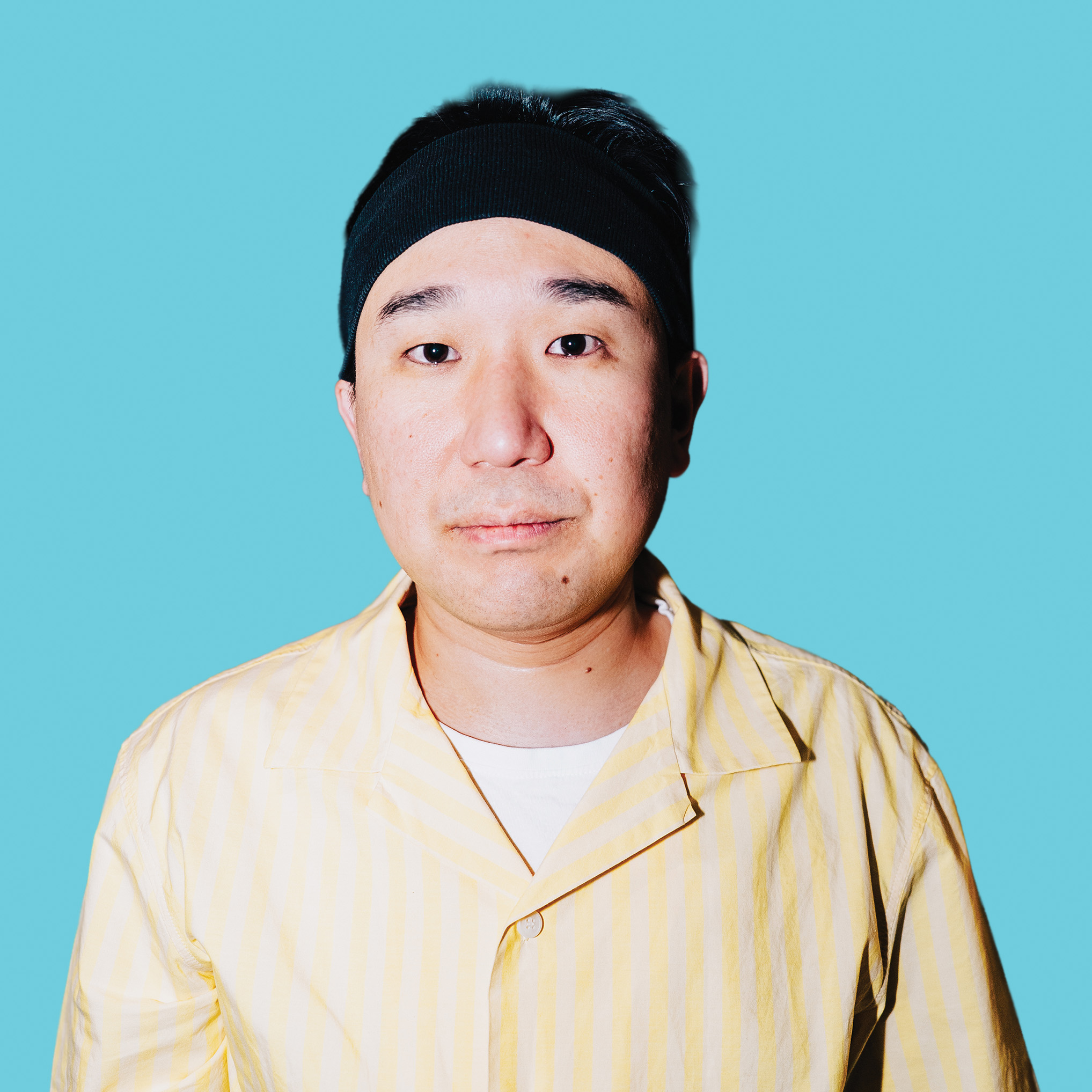
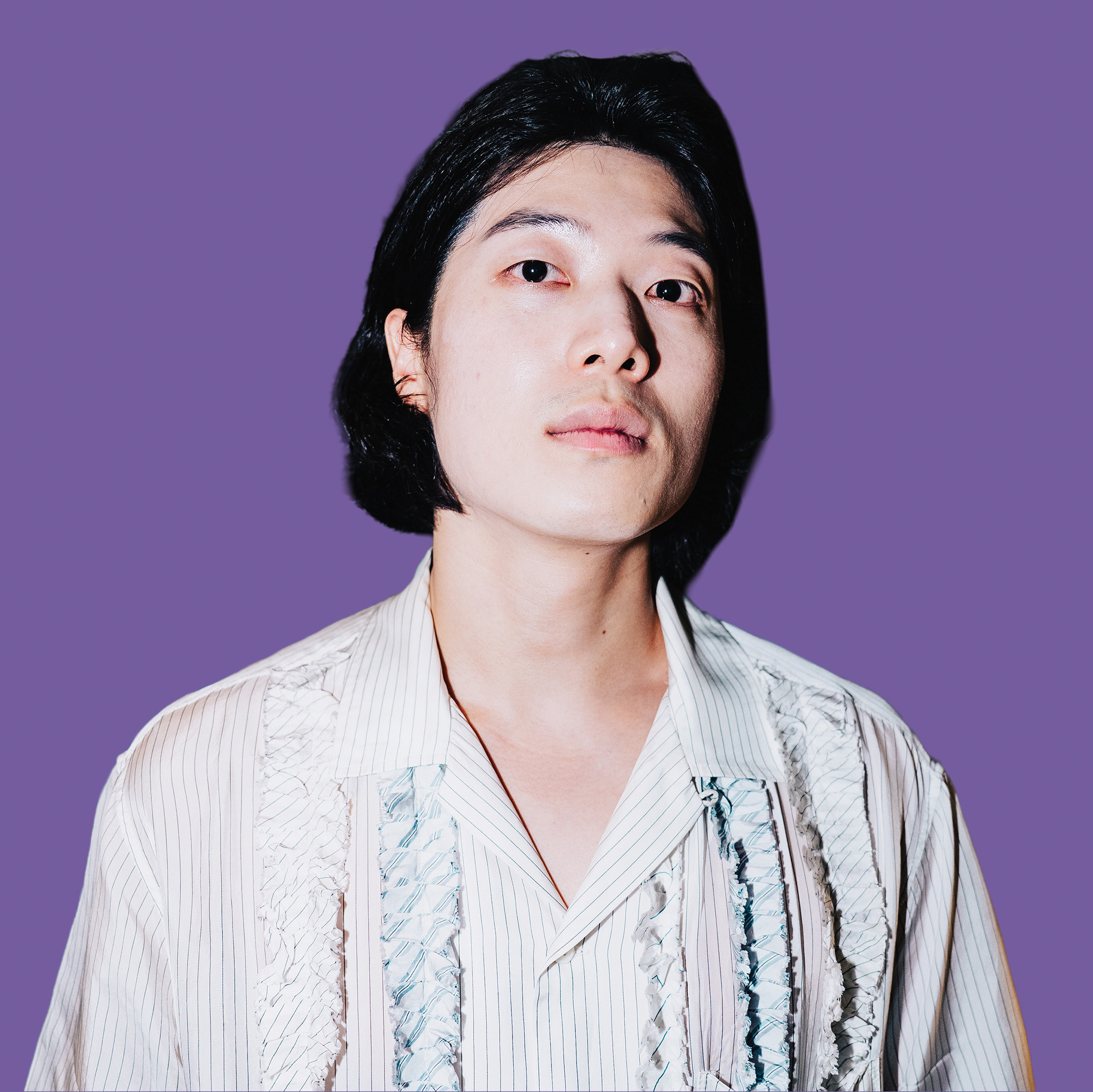
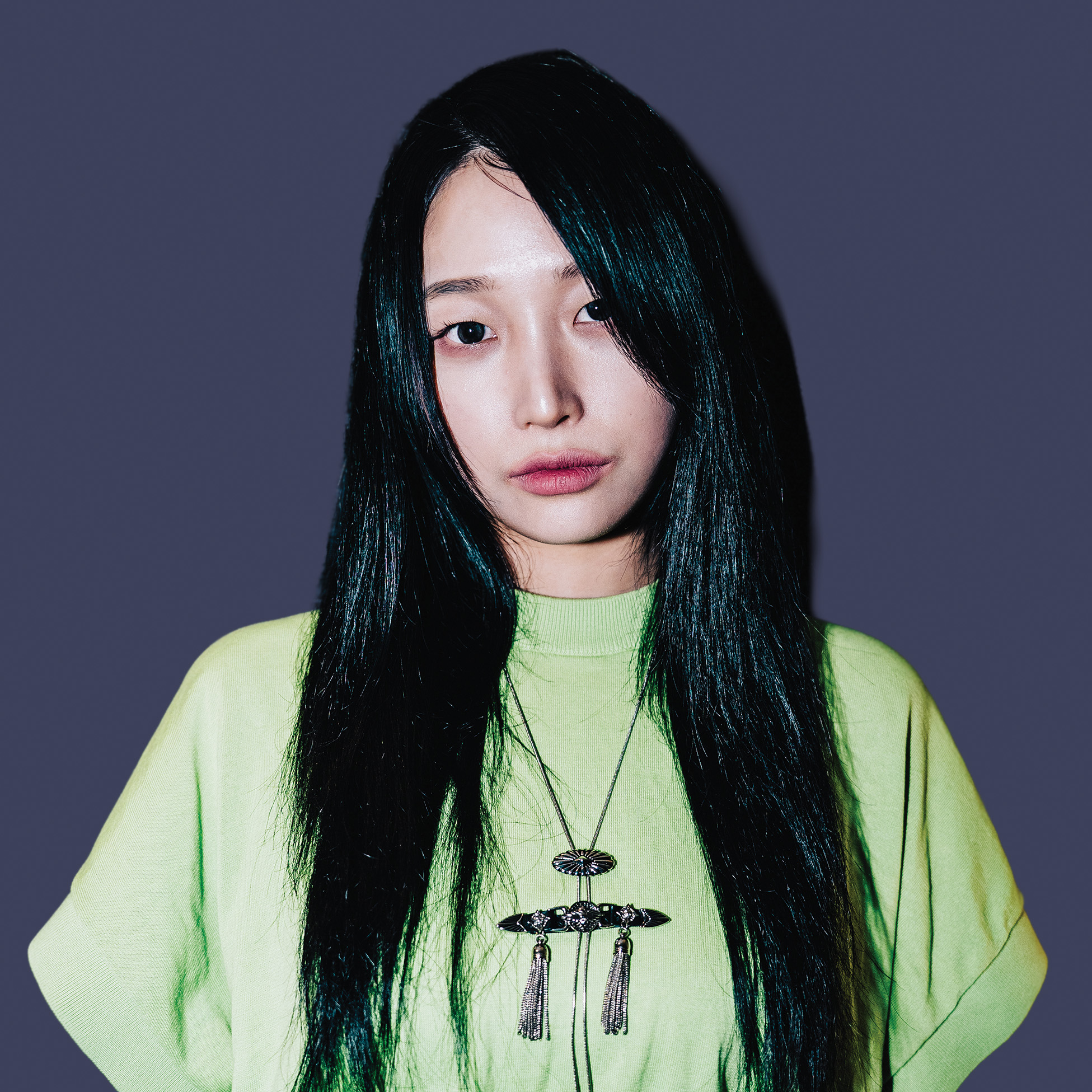


Photographs by Evan Schell
Contact
Artist Management & General Inquiries (Asia)
Ami Jiyoung Yoon at HIKE in Seoul
General Inquiries (Outside Asia)
Yale Evelev at Luaka Bop in NYC
Live -- Asia
Ami Jiyoung Yoon at HIKE in Seoul
Live -- Europe
Naomi Palmer at Earth in London
Live -- North America
Michael Bardier at Heavy/Trip in Montreal
Publicity -- US & North America
Sam McAllister at Pitch Perfect in Chicago
Yuri Kwon at Pitch Perfect in Chicago
Publicity -- UK
Nicole Mckenzie at Atles Music in London
Publicity -- France
Marc Chonier in Paris
Publicity -- Germany
Daniela Siemon at Der Promoter in Cologne
Radio -- US
Dave Sanford at Distiller Promo in Seattle

Download Circular logo